Welcome to VMA Psych.
Your trusted provider of exceptional mental health services in the GTA & beyond. Learn More
With 40+ years as Toronto's leading psychologists, we guide individuals through life's complexities, offering specialized services for a brighter future.
Recommended For You


Quick Answer
The best ADHD books for adults combine clinical accuracy with lived experience, covering foundational psychoeducation, emotional regulation, and non-judgmental organizational systems built for the ADHD brain.
The Clinical Insight: Clinically accurate resources address foundational psychoeducation, emotional regulation, and organizational systems tailored to the ADHD brain.
The Takeaway: The right books replace self-criticism with self-awareness, giving you the language to understand struggles with task initiation, working memory, and focus.
Getting Support: VMA Psych offers adult ADHD assessments and ADHD coaching in Etobicoke, in person and virtually, across Toronto, the GTA, and Ontario.
ADHD Doesn't End in Childhood
Attention-Deficit/Hyperactivity Disorder (ADHD) is often misunderstood as a childhood difficulty with focus and attention. For the millions of adults living with this neurodevelopmental condition, the reality is more complex. In adulthood, ADHD affects executive functioning, but it can also shape career trajectory, emotional regulation, and romantic relationships.
Awareness of neurodivergence has grown significantly in recent years, and stigma has meaningfully started to lift. Many adults, though, were left undiagnosed and had to struggle through school without that clarity. Psychology can't rewrite anyone's past, but it can help you take your next step with more clarity and support.
Receiving a late-in-life ADHD diagnosis can be a profound experience. It typically brings a wave of relief, finally having a clinical explanation for a lifetime of feeling and learning differently, closely followed by frustration at having to navigate these newly named challenges, and often some real anger at having been labelled lazy, disruptive, or defiant for much of your youth.
Psychoeducation is a meaningfully important part of treating adult ADHD. The right resources can help you decode your neurobiology, set down the weight of shame, and build practical strategies for lasting change. Below, our clinicians have curated the 15 best ADHD books for adults, combining research-backed insight, practical tools, and lived experience.

How We Chose These Books
With thousands of self-help books on the market, finding accurate, evidence-based literature can be overwhelming. We focused on resources that offer:
Clinical accuracy: Evidence-based insights grounded in current psychological and neuroscientific research, not internet trends
Actionable strategies: Tools that translate clinical theory into real-world change, like managing doom piles or curbing impulsive spending
Accessibility: Clear, engaging writing that supports follow-through for a brain that struggles with sustained attention
Compassion: A neurodiversity-affirming lens that reduces the stigma and moral judgment often attached to executive dysfunction
The 15 Best ADHD Books for Adults
To make this list easier to navigate, we've broken the recommendations into categories based on your current needs.
The Foundational Must-Reads
If you're newly diagnosed or suspect you have ADHD, start here to understand the mechanics of your brain.
Driven to Distraction by Dr. Edward Hallowell & Dr. John Ratey

Considered a foundational text in the field, this book is largely responsible for raising mainstream awareness of ADHD in adults. Hallowell and Ratey blend clinical insight with relatable, real-life case studies. For many adults diagnosed late in life, reading this book brings a real "aha" moment: recognizing that lifelong struggles with procrastination, disorganization, and impulsivity are neurological patterns rather than character flaws.
A core takeaway is the relief that comes with destigmatization. The authors argue that ADHD isn't a deficit of attention, but a wandering attention that needs to be properly harnessed. Clear clinical descriptions paired with practical coping strategies help adults move from shame to proactive management.
Taking Charge of Adult ADHD by Dr. Russell A. Barkley
Dr. Russell Barkley is one of the field's most influential ADHD researchers, and this book offers a thorough deep dive into the neurobiology of the condition. He reframes ADHD not as a knowledge disorder, but as a performance-based disorder. People with ADHD generally know exactly what they need to do. They just lack the executive functioning at the point of performance to actually execute the task.
The main takeaway is the real need to externalize your executive functions. Because the ADHD brain struggles with working memory and internal motivation, you need to build physical scaffolding into your environment: visual timers, external reminders, and immediate accountability. It's a practical, science-driven guide for engineering a life that supports your brain, and it's also the featured recommendation in our guide to getting an adult ADHD assessment.

Delivered from Distraction by Dr. Edward Hallowell and Dr. John Ratey

An updated, more optimistic take on their original work, this book leans into a strength-based perspective. While acknowledging the real challenges of executive dysfunction, the authors highlight the often-overlooked positive traits of the ADHD brain: lateral thinking, creativity, high empathy, and the real advantage of hyperfocus.
The key insight is that treating ADHD shouldn't mean forcing a square peg into a round hole. Instead of just medicating the struggles away, the goal is to design a life that leans into your natural dopamine drivers. When you align your career and environment with your interests, the ADHD brain can do extraordinary things.
ADHD 2.0 by Dr. Edward Hallowell and Dr. John Ratey
This more recent release updates the clinical picture of ADHD with newer neuroscience, particularly the concept of the Default Mode Network (DMN) versus the Task Positive Network (TPN). The authors explain how the ADHD brain easily gets trapped in the DMN, the area responsible for intense rumination and negative self-talk, and how to actively step out of it.
A standout takeaway is the role of the cerebellum and physical movement in managing symptoms. The authors offer practical, non-pharmacological brain hacks, showing how balance exercises and real human connection can help the brain produce the dopamine and focus it needs to thrive. This is also the pick featured in our clinical guide to identifying adult ADHD.

Emotional Regulation and Identity
ADHD comes with a real emotional toll. These books address the shame, burnout, and internal experience of neurodivergence.
You Mean I'm Not Lazy, Stupid, or Crazy?! by Kate Kelly and Peggy Ramundo

Written by two adults with ADHD, this book is a deeply validating and accessible read. It directly addresses the emotional toll and trauma of living with undiagnosed ADHD. Growing up neurodivergent in a neurotypical world often means internalizing decades of criticism, which breeds a harsh inner narrative.
The core takeaway is radical self-compassion. The authors use humour, lived experience, and practical tools to help you grieve the years spent struggling without a diagnosis, and to actively dismantle the shame of executive dysfunction. It teaches you to stop apologizing for how your brain works and start advocating for the accommodations you need.
Your Brain's Not Broken by Tamara Rosier, PhD
While the market is flooded with books on ADHD productivity, Dr. Rosier focuses specifically on the exhausting emotional landscape of the condition. She breaks down why the ADHD brain uses stress, anxiety, and anger as artificial dopamine substitutes to initiate tasks when motivation is lacking.
A major takeaway is her framework for managing Rejection Sensitive Dysphoria (RSD) and emotional flooding. Dr. Rosier explains why your emotions can feel so big and uncontrollable, and offers concrete tools for self-regulation, boundary-setting, and completing tasks without relying on last-minute panic as fuel. This is also the featured pick in our high-functioning ADHD guide.

Scattered Minds by Dr. Gabor Maté

Dr. Gabor Maté explores ADHD through a compassionate, trauma-informed, biopsychosocial lens. Rather than viewing ADHD strictly as a genetic inevitability, he examines how early life experiences, environmental stressors, and relational attachment interact with neurological predisposition to shape the ADHD brain.
The core takeaway is that healing your emotional wounds matters just as much as managing your daily schedule. Dr. Maté argues that because the ADHD brain is hypersensitive, it needs real emotional safety to function well. It's a valuable resource for parents and adults wanting to understand the developmental roots of their distractibility.
ADHD in Women
Because early ADHD research focused heavily on hyperactive boys, a generation of women went undiagnosed. This resource addresses the unique female presentation.
A Radical Guide for Women with ADHD by Sari Solden and Michelle Frank
Because early clinical research focused almost exclusively on hyperactive boys, an entire generation of women went undiagnosed, their inattentive symptoms often mislabelled as anxiety or depression. This workbook tackles the internalized female presentation of ADHD and the exhausting societal expectations placed on neurodivergent women.
The most important takeaway is the toll of masking, the process of hiding your symptoms to appear neurotypical. Solden and Frank guide readers through dropping the mask, healing from chronic burnout, and reclaiming an authentic identity that doesn't depend on being the perfectly organized woman. This is also the featured recommendation in our guide to ADHD in middle-aged women.

Productivity, Organization, and Habit Building
If you're looking for actionable systems to manage a chaotic physical space or calendar, these books provide the scaffolding.
How to Keep House While Drowning by KC Davis, LPC

For the ADHD adult overwhelmed by messy homes and daily routines, this book offers a real lifeline. KC Davis offers a non-judgmental approach to daily functioning, removing the moral weight from household chores entirely. Her core idea: mess is not a moral failing.
The primary takeaway is that chores are simply care tasks meant to serve you, not a reflection of your worth. Davis offers low-energy accommodations for executive dysfunction, such as the "five things" tidying method and organizing the kitchen into functional stations. It's essential reading for breaking the shame-paralysis cycle.
Organizing Solutions for People with ADHD by Susan Pinsky
Traditional organizational advice, like colour-coding files or using complex filing systems, rarely works for ADHD brains, since it introduces too much friction. Susan Pinsky offers a practical, systems-based approach specifically tailored to ADHD neurobiology, where out of sight really does mean out of mind.
The key takeaway is optimizing for efficiency, not aesthetics. Pinsky teaches readers to eliminate visual clutter and use drop zones and open-bin systems. Reducing the number of steps it takes to put an item away helps you bypass the executive dysfunction that usually leaves a living space in chronic chaos.

The Disorganized Mind by Nancy Ratey
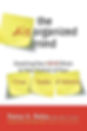
Written by a pioneer in ADHD coaching, this book tackles chronic procrastination, time blindness, and a lack of follow-through in real depth. Nancy Ratey translates high-level coaching strategies into accessible, self-guided tools, helping readers pinpoint exactly where their executive functioning breaks down.
The core insight is learning to act as your own coach. Ratey offers structured, actionable methods for breaking large, overwhelming projects into small, dopamine-producing tasks. She teaches you to anticipate your own roadblocks and build a customized system to navigate around them.
Faster Than Normal by Peter Shankman
Peter Shankman reframes ADHD not as a deficit, but as a high-octane engine that simply needs the right steering wheel. Drawing on his real-world experience as a successful entrepreneur, he explores how the impulsivity, hyperfocus, and energy associated with ADHD can be leveraged toward real success.
The main takeaway is the power of rigid routines and deliberate dopamine management. Shankman explains how he uses intense physical exercise, tight environmental control, and strict daily habits to regulate his brain chemistry. It's a strongly motivating read for anyone who wants to treat their neurodivergence as a competitive edge in the business world.

Atomic Habits by James Clear

Not written specifically for an ADHD audience, but this widely known bestseller is commonly recommended by ADHD clinicians anyway. James Clear breaks down the neuroscience of habit formation, explaining how cues, cravings, responses, and rewards drive daily behaviour.
For the ADHD brain, the most useful takeaway is environmental design. Because relying on willpower alone often fails for neurodivergent people, Clear teaches you to shape your environment so that good habits become obvious and easy, and bad habits become difficult and full of friction. It offers exactly the kind of mechanical scaffolding the ADHD brain needs to actually initiate tasks.
Mindfulness, ADHD, and Relationships
ADHD symptoms like emotional dysregulation and distraction can strain partnerships. These books offer practical insights and mindfulness tools.
The ADHD Effect on Marriage by Melissa Orlov
Untreated or unmanaged ADHD can seriously strain a romantic partnership. It often leads to a parent-child dynamic, where the neurotypical partner feels like an exhausted manager and the ADHD partner feels micromanaged and constantly criticized. Melissa Orlov addresses this dynamic with real empathy for both sides.
The major takeaway is learning to separate the neurological symptoms of ADHD from your partner's character. Orlov offers practical strategies for rebuilding empathy, improving communication, and sharing the household load more equitably, without relying on shame to get there. It's a valuable read for couples trying to pull their relationship back from the brink of burnout.

The Mindfulness Prescription for Adult ADHD by Dr. Lidia Zylowska

Sitting still in silent meditation sounds close to torture for a hyperactive brain. Mindfulness has been clinically shown to thicken the prefrontal cortex, though, which happens to be exactly the area ADHD impairs. Dr. Zylowska introduces realistic mindfulness strategies actually adapted for neurodivergent minds.
The key takeaway is that you don't need to empty your mind to meditate. You just need to practise noticing when it wanders. Through short, active mindfulness practices, like mindful walking or sensory grounding, adults with ADHD can gently build their sustained attention, self-awareness, and emotional regulation without feeling restless or trapped.
Related Reading
For more on specific ADHD challenges, see our related guides:
How to Improve Executive Functioning: Overcome Brain Fog and Overwhelm
Recognizing Signs of Adult ADHD: Understanding Adult ADHD Symptoms
Take the Next Step With VMA Psych
If you're recognizing yourself in these patterns, you don't have to navigate the fog of adult ADHD alone. Understanding your brain is the most empowering step toward a more organized, emotionally regulated, and fulfilling life.
At VMA Psych, supporting adults in Etobicoke, Toronto, and across Ontario, we provide specialized clinical support for the neurodivergent mind:
Adult ADHD assessments: Comprehensive, evidence-based evaluations
ADHD coaching, also known as executive functioning coaching: Knowing what to do isn't the problem; executing it is. Our coaching helps you build practical, customized systems for focus, organization, emotional regulation, and follow-through in daily life
The goal isn't to fix your brain. It's to build a life that works with it.
Ready to find what actually works?
Reach out to VMA Psych today to book your comprehensive adult ADHD assessment or an introductory ADHD coaching session.
FAQ: ADHD Books for Adults
What's the best ADHD book for someone newly diagnosed as an adult?
Driven to Distraction by Hallowell and Ratey is generally the strongest starting point, written specifically to help newly diagnosed adults reframe lifelong struggles as neurological patterns rather than character flaws.
Are books enough to manage adult ADHD, or do I need professional support too?
Books are a strong starting point. They give you language for your experience and strategies that fit your cognitive style. Reading about a system and actually implementing it are two different things, though, especially for a brain that struggles with executive functioning, which is why self-education tends to work best alongside personalized professional support.
Is there a good ADHD book specifically for women?
A Radical Guide for Women with ADHD by Sari Solden and Michelle Frank is a strong choice, since it directly addresses the internalized, often-missed presentation of ADHD in women and the toll of masking.
What if I struggle to actually finish self-help books because of my ADHD?
That's extremely common, and it isn't a reason to avoid reading altogether. Several books on this list, especially How to Keep House While Drowning and The Disorganized Mind, are written in short, practical chunks specifically because their authors understand that a dense, linear read isn't realistic for many ADHD brains.
Can these books help with ADHD in relationships, not just individual symptoms?
Yes. The ADHD Effect on Marriage by Melissa Orlov is written specifically for this purpose, helping couples separate ADHD symptoms from character traits and rebuild communication and shared responsibility.
All Resources